
How Governments Can Help Stop Dog Overpopulation
Why Government Action Is Essential
“Overpopulation is not just a community problem—it’s a systemic issue requiring bold action from policymakers.”
Every year, millions of dogs find themselves in shelters across the country, and tragically, many are euthanized simply because there aren’t enough homes for them. While individuals can make a difference by adopting and supporting spay/neuter programs, true change requires government intervention. By enacting policies that address the root causes of overpopulation, governments can help reduce the suffering of countless dogs and build more compassionate communities.
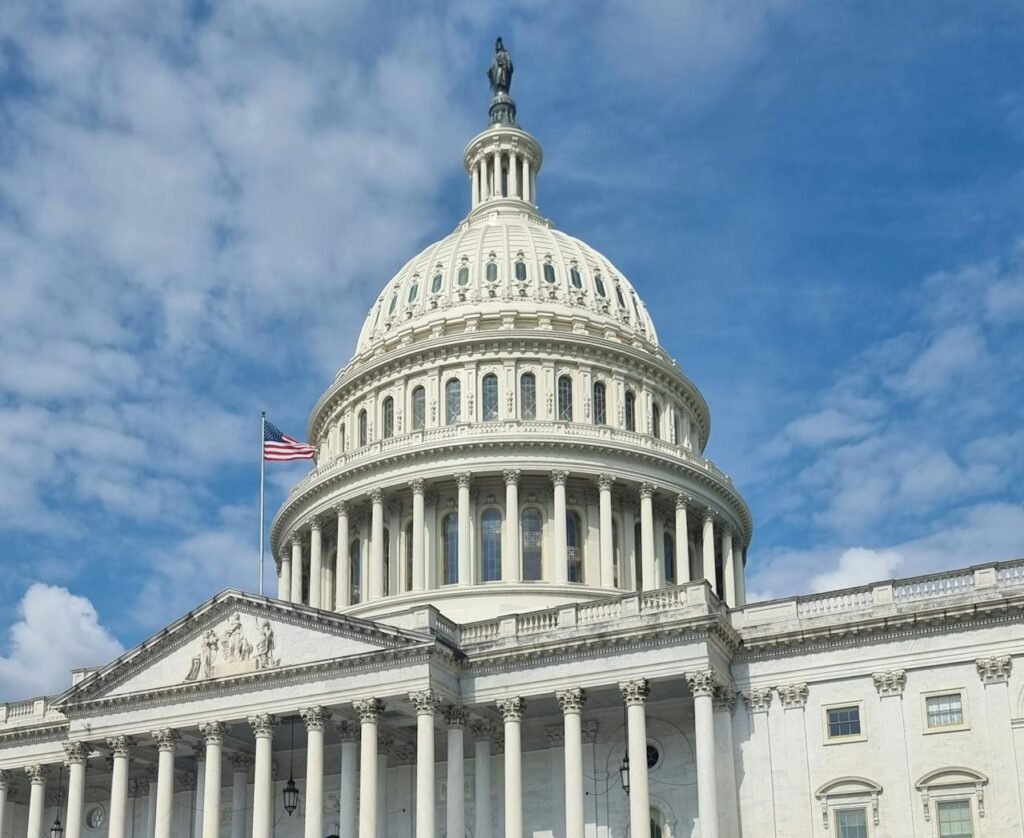
Key Areas Where Governments Can Act
1. Spay and Neuter Programs
The Problem: Uncontrolled breeding and unplanned litters are among the biggest contributors to shelter overcrowding. Many pet owners can’t afford the cost of spaying or neutering, leading to an endless cycle of unwanted litters.
Solutions:
- Subsidized Spay/Neuter Services: Governments can fund programs that provide free or low-cost spay/neuter services, especially in low-income areas.
- Mandated Spay/Neuter Laws: Require all pet owners to spay or neuter their dogs or face fines for noncompliance.
- Community Outreach: Educate the public about the importance of spaying and neutering through public campaigns and partnerships with local organizations.
Example: Cities like Los Angeles have seen significant reductions in shelter intake after implementing subsidized spay/neuter programs and enforcing mandatory spay/neuter laws.
2. Regulation—or Elimination—of Breeders and Pet Stores
The Problem: Breeders, both licensed and unregulated, contribute significantly to the overpopulation crisis. Every dog bred and sold for profit takes the place of a shelter dog that could have been adopted. In many cases, breeders prioritize profits over the well-being of the animals, perpetuating cruelty and exploitation.
Solutions:
- Ban Breeders Entirely: Advocate for policies that phase out breeding operations and focus on adoption as the primary way to obtain a dog. This would address overpopulation at its root by reducing the influx of new dogs into an already saturated population.
- Strict Licensing for a Transition Period: As a step toward banning breeding entirely, governments can require breeders to obtain expensive licenses, using the fees to fund regular inspections to ensure humane conditions and enforce strict limits on the number of litters a female dog can produce annually.
- Pet Store Regulations: Ban the sale of dogs in pet stores unless they are sourced from shelters or rescue organizations. This eliminates a key market for breeders, particularly puppy mills.
- Heavy Penalties for Violations: Impose significant fines or criminal charges on breeders and pet stores that violate animal welfare laws. Governments should create comprehensive legislation to regulate breeding practices, mandate humane standards, and strictly limit the number of litters a female dog can produce. To ensure these laws are enforced, establish a dedicated task force with sufficient resources and authority to investigate, monitor, and shut down unethical breeding operations. This approach ensures accountability and deters illegal and inhumane practices within the industry.
The Ethical Shift:
Banning breeders would signal a shift in society’s view of dogs—not as commodities to be bought and sold but as living beings deserving of love and care. This policy would reduce demand for breeding, encourage adoption, and help create a more compassionate culture.
Example: Countries like Sweden and the Netherlands have implemented strict breeder regulations and low shelter euthanasia rates, demonstrating that prioritizing adoption over breeding is both feasible and effective.
3. Public Awareness Campaigns
The Problem: Many people are unaware of the overpopulation crisis or the role they play in perpetuating it by purchasing dogs from breeders or pet stores.
Solutions:
- Government-Backed Education Campaigns: Use TV, radio, and social media to promote adoption, spaying/neutering, and responsible pet ownership.
- In-School Education: Incorporate lessons on animal welfare into school curricula to teach future generations about compassion and responsibility.
- Community Events: Partner with shelters and rescues to host adoption fairs and informational sessions.
Example: New York City’s “Adopt NYC” campaign uses public advertising to showcase adoptable pets and the benefits of adoption, leading to increased shelter adoptions citywide.
4. Community Animal Services
The Problem: Stray and abandoned dogs are a major source of shelter overcrowding, yet many communities lack the resources to manage the issue effectively.
Solutions:
- Invest in Municipal Shelters: Increase funding for municipal shelters to improve capacity, staffing, and animal care.
- Implement TNR (Trap-Neuter-Return) Programs: For stray dog populations, implement humane methods to sterilize and vaccinate stray dogs while allowing them to live safely in their communities.
- Free Microchipping Services: Provide free or low-cost microchipping to reunite lost dogs with their owners and reduce the number of strays entering shelters.
Example: San Antonio, Texas, implemented an aggressive TNR program, which has helped stabilize stray dog populations and reduce intake at local shelters.
The Benefits of Government Action
When governments take an active role in addressing dog overpopulation, the impact extends far beyond animal welfare:
- Reduced Shelter Overcrowding: Fewer dogs in shelters means fewer euthanasia cases and more resources for each animal.
- Improved Public Health: Managing stray dog populations reduces the risk of diseases like rabies.
- Economic Savings: Preventive measures like spay/neuter programs cost less than the long-term expense of housing, feeding, and euthanizing shelter animals.
- Stronger Communities: Compassionate policies foster a culture of responsibility and empathy, improving quality of life for both people and animals.
How You Can Advocate for Change
Governments respond to the voices of their citizens. Here’s how you can push for stronger action to stop dog overpopulation:
- Contact Your Representatives: Write to your local and state officials urging them to support spay/neuter programs, breeder regulations, and shelter funding.
- Support Animal Welfare Laws: Vote for legislation and leaders who prioritize animal welfare.
- Partner with Advocacy Groups: Join organizations lobbying for stricter animal welfare policies and participate in campaigns or rallies.
- Spread Awareness: Share this information with friends, family, and your community to build support for change.
Write to your representative
This is a customizable template letter designed to help you advocate for stronger animal welfare laws. You can copy, complete, and send this letter to your local representative to push for meaningful action against animal overpopulation, unethical breeding, and the trafficking of companion and wild animals. Together, we can make a difference—your voice matters!”
Template Letter to Local Representatives
Subject: Advocate for Stronger Animal Welfare Laws to Address Overpopulation, Public Health Risks, and the Trafficking of Companion and Wild Animals
[Your Name]
[Your Address]
[City, State, ZIP Code]
[Email Address]
[Date]
[Recipient’s Name]
[Title/Position]
[Office Address]
[City, State, ZIP Code]
Dear [Recipient’s Name],
I am writing to urge you to take action on the pressing issue of animal overpopulation and unethical breeding and trafficking practices in our community. This crisis extends beyond dogs—it includes a wide range of companion and wild animals, such as rabbits, turtles, lizards, snakes, and other exotic pets. These practices not only harm animals but also pose significant public health risks and environmental concerns.
Unregulated breeding, the sale of exotic animals, and the abandonment of pets contribute to a cascade of issues:
- The spread of zoonotic diseases like rabies and salmonella from improperly cared-for animals.
- Strain on shelters and rescue organizations overwhelmed by abandoned pets of all species.
- Negative impacts on ecosystems caused by the release of non-native species into the wild.
Addressing these challenges requires bold legislative action to regulate the acquisition, breeding, and care of companion and wild animals.
I respectfully ask for your support in introducing and advocating for the following measures:
- Mandatory Spay and Neuter Programs: Require all pet owners to spay or neuter their dogs, cats, and rabbits, with exceptions only for licensed breeders or medical exemptions. Subsidized programs should be made accessible to low-income families.
- Regulation or Ban of Breeders and Exotic Animal Sales:
- Implement strict licensing requirements for breeders, with high fees to fund inspections and enforcement.
- Consider banning the breeding and sale of exotic animals entirely, as these animals are often poorly cared for, abandoned, or improperly released into the wild.
- Ban on Pet Store Sales from Breeders and Exotic Animal Traffickers: Prohibit pet stores from selling dogs, cats, and exotic animals obtained from breeders, instead allowing sales only of animals sourced from shelters and rescue organizations.
- Create and Enforce Comprehensive Animal Welfare Laws: Develop robust legislation to protect all companion and wild animals, focusing on humane conditions, limited breeding, and penalties for violators. Establish a task force with sufficient resources to monitor compliance and shut down unethical operations.
- Public Education Campaigns: Launch government-backed initiatives to educate the public about responsible pet ownership, the environmental risks of exotic pets, and the importance of adoption and spaying/neutering.
- Improved Stray and Abandoned Animal Management: Fund programs to manage stray populations humanely and reunite lost pets with their owners through free microchipping initiatives.
- Ban the Trade of Wild Animals: Prohibit the private ownership and sale of wild animals, including reptiles, amphibians, and other non-domesticated species, to prevent cruelty, public health risks, and environmental damage caused by the release of invasive species.
Many of these animals are also sourced through illegal international trafficking, which not only endangers wildlife populations but also contributes to the spread of zoonotic diseases and undermines conservation efforts globally.
By addressing this issue holistically, we can protect animals, reduce public health risks, and safeguard ecosystems. These measures will create safer, more compassionate communities and ensure that animals are treated with the respect they deserve.
I would greatly appreciate the opportunity to discuss these issues further or provide additional resources to support these efforts. Thank you for considering this critical matter, and I hope to see your leadership in creating meaningful change that benefits both our community and the animals within it.
Sincerely,
[Your Full Name]
[Your Title/Occupation, if relevant]
[Your Contact Information]