
A Crisis of Compassion
“Each year, approximately 1.5 million shelter animals are euthanized in the U.S.—including around 670,000 dogs. This isn’t because they’re bad dogs. It’s because there aren’t enough homes for them.”
Source: ASPCA
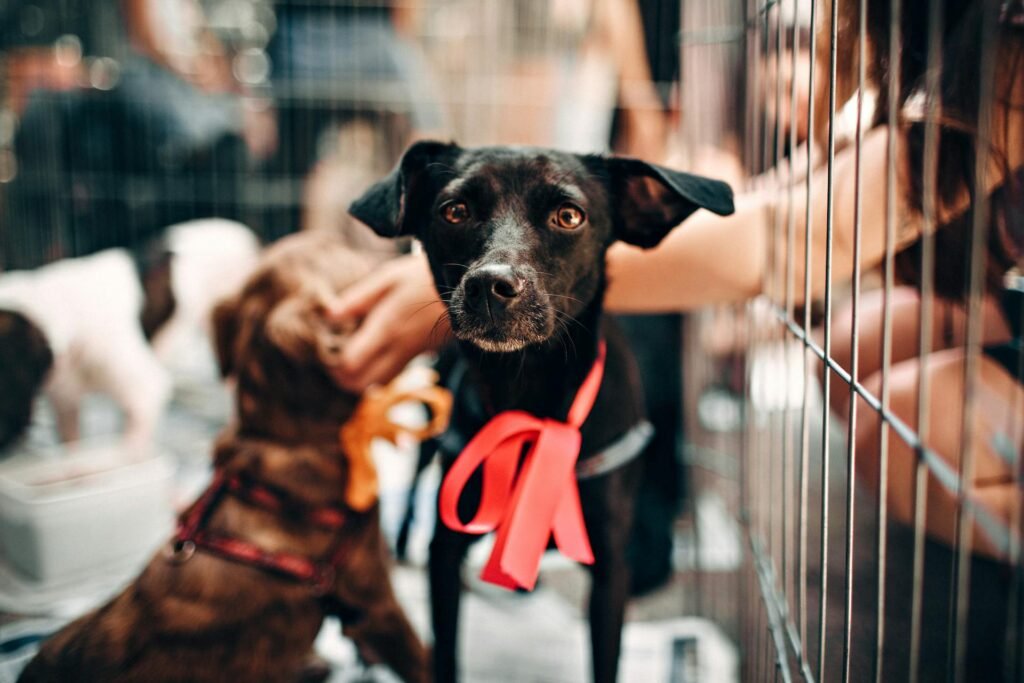
Every one of those numbers represents a life cut short—a wagging tail that will never feel the love of a forever home. The heartbreaking reality is that shelters across the country are overwhelmed with dogs of all breeds, sizes, and ages. Meanwhile, the demand for puppies fuels a lucrative breeding industry, exacerbating an already devastating crisis.
At the heart of the problem are two interconnected issues:
- The Overpopulation of Dogs in Shelters: Millions of dogs are surrendered, abandoned, or born without homes every year. Despite their capacity for unconditional love, too many dogs are left waiting for families that never come.
- The Role of Breeders: Breeders, both large-scale operations and smaller backyard setups, continue to add thousands of dogs to an already oversaturated population—all for profit.
This issue isn’t just about numbers; it’s about a lack of compassion, responsibility, and action. It’s a problem that affects not only the dogs but also our communities and values as a society.
Here are the approximate numbers of animals killed in a recent year (2024):
- Texas: 125,000
- California: 110,000
- Florida: 66,000
- North Carolina: 62,000
- Georgia: 43,000
Source: https://bestfriends.org/
The Overpopulation Crisis
Shelters are full, resources are stretched thin, and the sheer number of homeless dogs makes it impossible to find homes for all of them. Despite the tireless work of rescue organizations and volunteers, the math simply doesn’t add up.
- Why Are So Many Dogs in Shelters?
- Unplanned litters due to lack of spaying and neutering.
- Owners surrendering dogs due to lifestyle changes, financial difficulties, or unrealistic expectations.
- Stray dogs reproducing unchecked in communities.
- The Consequences of Overpopulation:
- Euthanasia: When shelters run out of space, tough decisions must be made. Every euthanized dog represents a preventable tragedy.
- Stress and Trauma: Overcrowded shelters mean dogs live in high-stress environments, often leading to behavioral issues that make them harder to adopt.
The Breeder Industry’s Role in the Crisis
While shelters fight to save lives, the breeding industry continues to produce dogs to meet consumer demand. Whether it’s a large-scale puppy mill or a backyard breeder, the result is the same: more dogs added to an already overflowing population.
- Profit Over Compassion: Breeders focus on producing and selling puppies, often disregarding the long-term well-being of the dogs they sell. Female dogs are overbred, kept in poor conditions, and discarded when they’re no longer “useful.”
- Encouraging Overbreeding: As long as there’s money to be made, breeders will continue to contribute to the cycle of overpopulation.
- The Myth of Responsible Breeding: Even so-called “ethical” breeders perpetuate the problem. For every dog sold, there’s one in a shelter losing their chance at a home.
Why This Matters
The overpopulation crisis and the breeding industry aren’t just issues for animal welfare advocates—they’re issues for everyone.
- For Society: Overcrowded shelters and stray dog populations strain community resources and create public safety concerns.
- For the Environment: Stray dogs can disrupt ecosystems and wildlife populations.
- For Our Values: Supporting breeders while shelter dogs are euthanized reflects poorly on our collective compassion and priorities as a society.
What Can We Do?
The solution starts with awareness and action:
- Adopt, Don’t Shop: Choose adoption over buying a dog from a breeder or pet store. Every adoption saves a life.
- Spay and Neuter: Prevent unplanned litters and reduce the number of dogs entering shelters.
- Support Shelters and Rescues: Donate, volunteer, or foster to help shelters provide the care homeless dogs need.
- Educate Others: Share this information with friends, family, and your community. Every conversation helps shift the narrative toward adoption and compassion.
“Every dog deserves a chance at love, not a life defined by numbers or profit. By choosing adoption, you’re not just saving a life—you’re making a stand for compassion and a better world for all animals.”